
 by
by 
Introduction: When Government Surveillance Meets Our Digital Lives
Recently, the government mandated that all new smartphones sold in India come with the Sanchar Saathi app pre-installed. This move, aimed at fighting telecom fraud, has stirred up quite a debate about privacy and digital security. But you might wonder, what does a telecom app have to do with real estate? The answer is simple: the same digital risks that worry privacy advocates also threaten the security of real estate transactions happening on our phones every day.
What’s the Sanchar Saathi Controversy About?
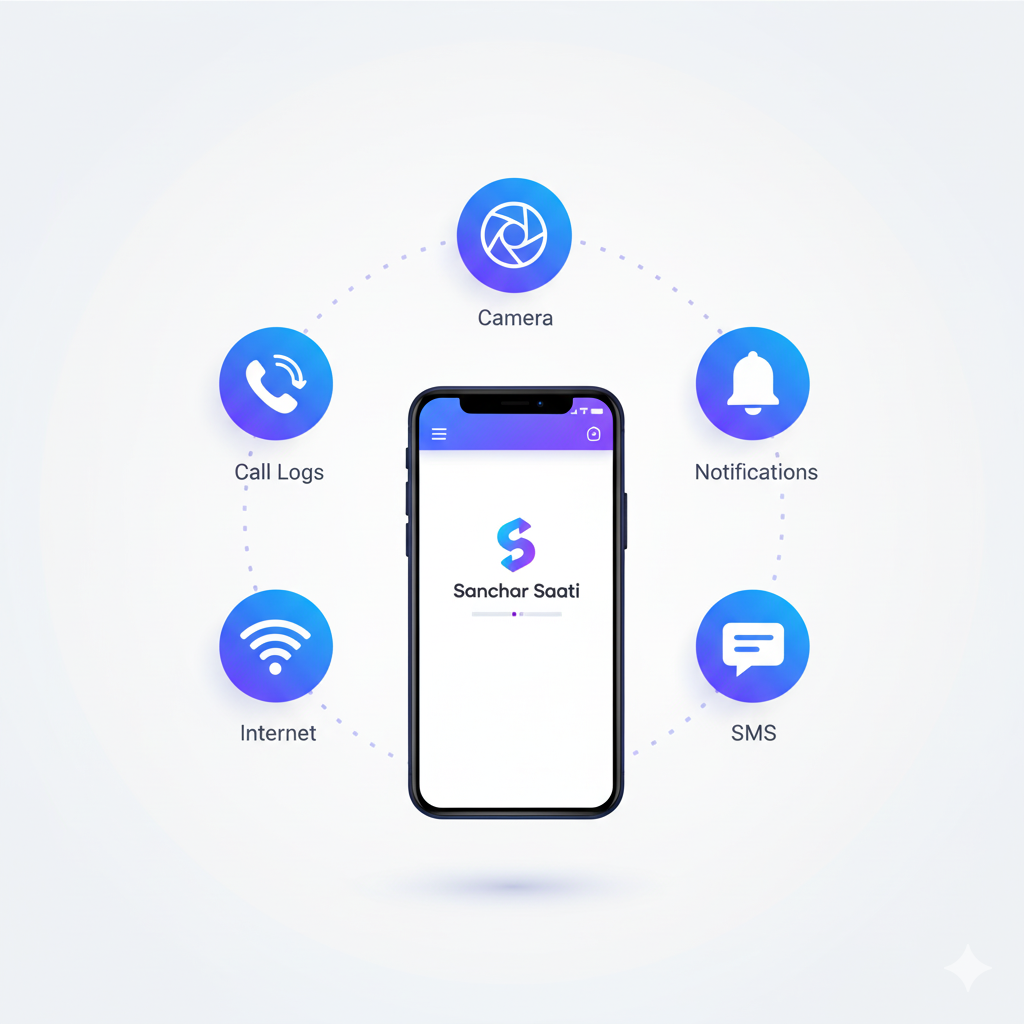
The Department of Telecommunications (DoT) asked smartphone makers like Apple, Oppo, Vivo, and Xiaomi to include the Sanchar Saathi app on all new devices. This app is designed to help combat cyber fraud but requires access to a lot of sensitive phone features, such as:
- Call logs
- Camera
- Notifications
- Phone calls and SMS
- Internet connectivity
Critics have raised serious concerns. Some politicians call it a “dystopian tool” for monitoring citizens, while cybersecurity experts warn that apps with such deep access could be exploited through updates without users even knowing.
Why Should Real Estate Professionals Care?

1. Your Phone Is Your Office
These days, real estate deals happen mostly on smartphones. From signing contracts digitally to transferring token money via UPI, your phone is central to closing big deals. If government apps can access your calls, messages, and notifications, what does that mean for your confidential client chats, property valuations, or financial info?
2. You Carry Valuable Data
Real estate pros store tons of sensitive info on their devices, including:
- Client financial details
- Property documents
- Bank info
- Investment plans
- Negotiation notes
- Market insights
A single breach could expose all this to competitors or fraudsters.
3. Fraud Is Real and Growing
The Sanchar Saathi app was launched to fight telecom fraud, which directly affects real estate. Think about scams like:
- Fraudsters impersonating buyers or sellers
- OTP theft to access property portals
- Fake property documents shared over messaging apps
- Misdirected payments during token transfers
The app even lets users report suspicious calls and messages—something every real estate professional faces.
Key Digital Security Lessons for Property Transactions
Lesson 1: Manage Permissions Carefully
Just like Sanchar Saathi asks for many permissions, real estate apps do too. Always ask:
- Does this app really need access to my contacts?
- Why does a virtual tour app want to use my camera?
- Should my CRM see all my messages?
Tip: Only give apps the permissions they absolutely need. Review and revoke unnecessary permissions regularly.
Lesson 2: Be Wary of Pre-Installed Apps
Pre-installed apps, whether from manufacturers or the government, can be risky if they have high-level access. For real estate tech, watch out for:
- Builder apps pre-loaded on devices given to partners
- Brokerage platforms asking for admin rights on your device
- Property management software with too many permissions
Tip: Use separate devices for personal and professional work, especially for sensitive transactions.
Lesson 3: Updates Can Change Everything
Apps with deep access can add new permissions through updates without your explicit approval. That innocent property valuation app you installed months ago might have changed permissions without you realizing.
Tip: Turn off automatic updates, read update notes carefully, and use enterprise-grade security on business devices.
Lesson 4: Government Compliance ≠ Security
Just because something is government-mandated doesn’t mean it’s completely secure. For example:
- RERA registration is mandatory, but you should still verify digital security independently.
- Legal property portals should be audited for their data practices.
- Electronic documents are convenient but make sure they use strong encryption.
Protecting Your Real Estate Transactions: Practical Tips
For Individual Investors
- Use end-to-end encrypted apps for sensitive conversations.
- Avoid sending property documents via regular SMS or email.
- Always verify caller identity before sharing financial info.
- Enable biometric locks on real estate apps.
- Use password managers for portal logins.
- Install trusted mobile security software.
- Backup important documents securely in the cloud.
- Double-check bank details before transferring money.
- Use official property registration sites only.
- Never share OTPs over phone calls.
- Enable two-factor authentication on portals and banking apps.
For Industry Professionals
- Provide company-managed devices for client data handling.
- Set clear protocols for sharing property info.
- Regularly train sales teams on security.
- Use data loss prevention software.
- Audit third-party apps before adopting them company-wide.
- Review CRM providers’ data practices carefully.
- Ensure property portals have strong cybersecurity.
- Include security clauses in vendor contracts.
- Encrypt client databases.
- Limit employee access based on roles.
- Conduct regular security audits.
- Define clear data retention and deletion policies.
- Use video verification for high-value deals.
- Require multi-level approvals for fund transfers.
- Use secure document sharing platforms with access logs.
- Explore blockchain for property documentation where possible.
The Future: Balancing Convenience and Security
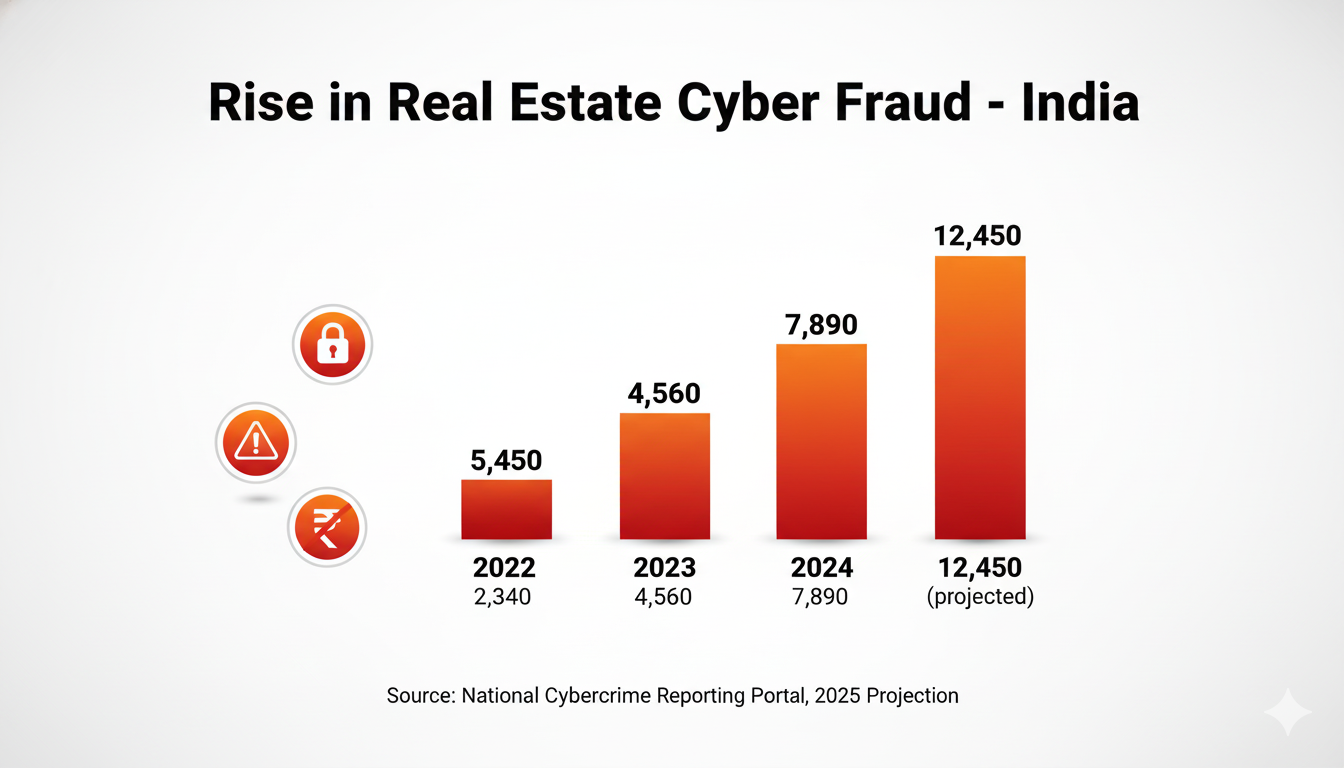
The Sanchar Saathi debate highlights a bigger challenge: how to balance security, privacy, and convenience in our digital lives.
Emerging Technologies in Real Estate
- Blockchain: Some Indian states are testing blockchain for land records, offering tamper-proof documentation.
- Biometric Verification: Increasingly used to reduce impersonation fraud.
- AI Fraud Detection: Machine learning can spot suspicious transactions early.
- Zero-Knowledge Proofs: New cryptographic methods that verify data without revealing sensitive info.
What DHC Realty Recommends
We believe digital transformation in real estate must put security first. Our approach includes:
- Transparent communication about data collection.
- Using only vetted, encrypted platforms.
- Educating clients on digital risks.
- Going beyond regulatory requirements for data protection.
Red Flags: When to Be Cautious
Watch out for:
- Unexpected calls offering deals that sound too good to be true.
- Pressure to pay or provide documents immediately.
- Requests to use personal messaging apps instead of official channels.
- Poor quality or suspicious-looking documents.
- Last-minute changes to bank account details.
- Being asked to install unknown apps for “verification.”
- Excessive requests for unrelated personal info.
What’s Coming Next in Regulation
The Sanchar Saathi app is part of broader Telecom Cyber Security Rules, 2024. New rules include:
- WhatsApp and similar apps must restrict usage to SIM-linked devices.
- Session timeouts for WhatsApp Web every six hours.
- Enhanced IMEI tracking to fight fraud.
For real estate, expect:
- Stricter KYC norms on property portals.
- Mandatory digital identity verification.
- Closer scrutiny of online property deals.
- Possible new cybersecurity regulations specific to real estate.
Questions to Ask Your Real Estate Partners
Before you commit, ask:
- How do you protect my personal and financial data?
- What apps or platforms will I need, and what permissions do they require?
- Do you have cybersecurity insurance for transaction fraud?
- What verification steps do you take before processing payments?
- How do you store and dispose of my documents?
- What happens if there’s a data breach?
- Are your systems regularly audited for security?
- Do you comply with data protection laws beyond the minimum?
Conclusion: Security Is Non-Negotiable
The Sanchar Saathi controversy is a wake-up call. While the government’s goal is to fight fraud, it also highlights real digital security risks that property investors and professionals must take seriously.
In an industry where single deals can involve life-changing sums, digital security isn’t just an IT issue—it’s a core business responsibility.
Key Takeaways
- Your smartphone holds sensitive property data that needs protection.
- Government mandates don’t guarantee security.
- Regularly manage app permissions and audit apps.
- Real estate pros must adopt strong digital security protocols.
- The future will demand even tighter security measures.
At DHC Realty, we know trust is built not just on finding the right property but on securing every step of your transaction journey. Whether you’re a seasoned investor or a professional, prioritizing digital security protects your investments, your clients, and your reputation.
About DHC Realty
DHC Realty is dedicated to transparency, security, and professionalism in every property deal. We stay ahead of industry trends, including digital security challenges, to keep your investments safe in today’s connected world.
Frequently Asked Questions
Q: Should I worry about using my smartphone for property deals?
A: Smartphones can be secure if set up properly. Use strong passwords, two-factor authentication, security software, and be careful with app permissions.
Q: How can I verify if a property listing is genuine?
A: Check official RERA websites, compare listings on multiple portals, visit sites in person, and work with registered professionals.
Q: What’s the safest way to transfer property payments?
A: Use bank NEFT/RTGS from verified accounts, get written receipts, verify bank details through multiple channels, and never share OTPs over calls.
Q: Are blockchain property transactions available in India?
A: Some states are piloting blockchain for land records. It’s not mainstream yet but promises better security and transparency.
Q: What should I do if I suspect fraud?
A: Stop payments immediately, report to cyber crime authorities, inform your bank, keep records of all communications, and consult legal experts.
Keywords: Digital security in real estate, property transaction security, real estate cyber security, Sanchar Saathi real estate impact, secure property investments India, real estate fraud prevention, digital property transactions, real estate investor security, property cyber security, DHC Realty

Join The Discussion