
 by
by Buying a home near Mumbai in 2026 can feel like choosing between two good trains on the same platform. Thane and Navi Mumbai both sit in the “practical Mumbai alternative” zone, but they don’t solve the same problem.
If you’re a first-time buyer, you probably care about one thing more than anything else: the monthly outgo. If you’re an investor or business owner, you’re also watching rental demand, resale liquidity, and which side will get the next big connectivity push.
This guide keeps it simple, side by side, with clear 1BHK and 2BHK price ranges, daily commute reality, lifestyle fit, and how each market may behave when you want to rent or sell.
Thane vs. Navi Mumbai in 2026: Prices for 1BHK and 2BHK homes, and what you get
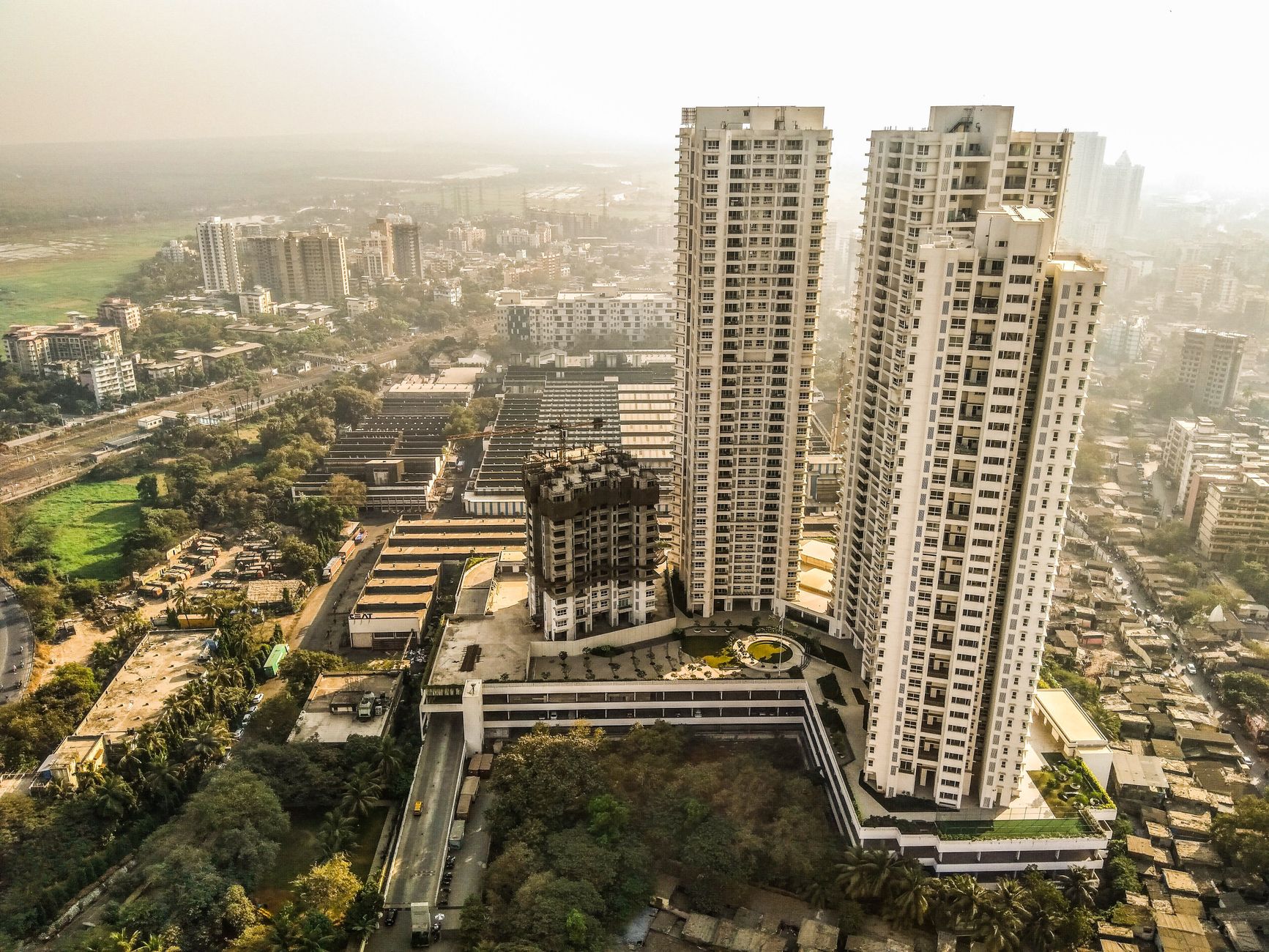 Photo by Amit Baokar
The fastest way to compare Thane and Navi Mumbai is to compare the “entry ticket” for a livable 1BHK and a family-ready 2BHK. Based on late-2025 market snapshots (which many buyers use to plan 2026 budgets), Navi Mumbai usually lets you start lower, while Thane often asks more but gives stronger Mumbai-linked demand in many pockets.
Remember, every range below changes by micro-market, building age, carpet area, and whether it’s ready or under-construction. Use these numbers as budgeting bands, not quotes.
Price comparison in plain terms: 1BHK and 2BHK costs in Thane and Navi Mumbai
Here’s a practical budgeting view that matches how most buyers shop in 2026 (with examples like Ghodbunder Road for Thane, and Kharghar or Panvel for Navi Mumbai):
| Location (examples) | Typical 1BHK budget band | Typical 2BHK budget band | What most buyers notice |
|---|---|---|---|
| Thane (Ghodbunder Road and nearby) | ₹70 to 90 lakhs | ₹1.2 to 1.5 crore | More “mid-premium” societies, higher entry price |
| Navi Mumbai (Kharghar, Panvel side) | ₹50 to 70 lakhs | Starts around ₹80 lakhs | Lower entry cost, planned nodes, longer distance for many Mumbai jobs |
In broader listing data, these bands can stretch wider, especially for older resale stock or premium towers. If you want to sanity-check live listings, compare Ghodbunder Road supply on Housing.com’s Ghodbunder Road 1BHK listings, and Navi Mumbai benchmarks through locality trend pages like Magicbricks’ Kharghar price trends or 99acres Panvel rates and trends.
Both Thane and Navi Mumbai are still commonly 30 to 40% below prime Mumbai zones for similar apartment sizes, which is why they stay on every serious buyer’s shortlist.
A quick budgeting example (no heavy math): if you’re choosing between a ₹85 lakh 1BHK in Thane and a ₹65 lakh 1BHK in Navi Mumbai, that ₹20 lakh gap often decides whether you can:
- Keep a safer emergency fund after down payment, or
- Upgrade to a small 2BHK sooner, or
- Avoid stretching your EMI when rates move.
Value check: space, amenities, and society quality you can expect at these prices
Think of Thane as the “clubhouse and convenience” option in many pockets. Many townships and large societies compete on amenities: kids’ play areas, pools, gyms, cowork corners, and organized retail nearby. The trade-off is crowding, denser traffic at peak hours, and higher maintenance in premium projects.
Navi Mumbai often feels like a calmer grid. Planned nodes, wider internal roads, and clearer sector layouts can make daily driving easier. At the same budget, you may get a better entry deal, but amenities can vary more by node and by developer.
On a site visit, don’t get distracted by the model flat. Check these basics that protect your long-term value:
- Carpet area vs. built-up (ask for the carpet number in writing)
- Water supply pattern (municipal timing, tanker dependency)
- Parking (allocated, stack, or open)
- Lift backup and power backup for common areas
- Maintenance levels and what they include
- Society sinking fund and major repair history (for resale)
Daily life and commute to Mumbai: Which city fits your work, family, and routine
Buying in Thane or Navi Mumbai isn’t only about square feet. It’s about how your week feels, Monday morning included.
If you commute to Mumbai daily, Thane’s closer position can reduce the “last-mile stress” in many cases. If you work hybrid or run a business that doesn’t need daily Mumbai access, Navi Mumbai’s planned living can feel like a better trade.
Connectivity and upcoming projects that matter in 2026
In Thane, the biggest sentiment driver is mass transit. Mumbai Metro Line 4 (Wadala to Kasarvadavali/Gaimukh) has seen major construction progress through 2025, with phased openings discussed and full operations targeted around end-2026 to 2027 depending on section readiness. For buyers, the practical takeaway is simple: areas closer to operational stations often see stronger demand, but timelines can shift, so don’t pay a “future premium” unless the benefit is close to real.
For Navi Mumbai, airport-led growth continues to shape buyer interest, especially across nodes that can benefit from new employment and travel demand. There are also proposals to improve cross-region links, including a reported plan for a corridor connecting Thane to the airport zone. Keep an eye on official updates and credible reporting, such as this coverage on a 26-km elevated corridor proposed to connect Thane with Navi Mumbai International Airport.
For 2026 decision-making, treat infrastructure like seasoning, not the meal. It can lift resale sentiment, but your daily commute still depends on your exact station, road choke points, and work hours.
Lifestyle and livability: noise, green spaces, schools, and weekend life
Thane is busier, but it’s also complete. You’ll find strong healthcare, big malls, and established schools in many belts, plus lakes and parks that help break the concrete routine. If your family needs quick access to hospitals and tutoring hubs, Thane’s maturity can feel reassuring.
Navi Mumbai often wins on “breathing room.” Several nodes are designed with open areas and clearer zoning. Weekend plans can be simpler too, because intra-node driving is usually less chaotic than Mumbai-side suburb traffic. If you value quieter evenings and easier parking, Navi Mumbai’s vibe can be a better match.
Neighborhood selection tip: pick your daily anchor first.
- If school runs are the center of your day, prioritize school clusters and safe walking routes.
- If you care for elders, prioritize hospitals, flatter access, and shorter elevator wait times.
- If you meet clients often in Mumbai, choose the side that reduces cancellations, not just kilometers.
Best choice by buyer goal in 2026: first home, upgrade, or investment
A smart buy is the one you won’t resent on a random Wednesday. Use this framework to decide without overthinking.
If you want a safer bet, steady demand, and easier Mumbai access
Thane often fits buyers who need Mumbai access and want a market with proven end-user demand. In many micro-markets, liquidity is stronger, meaning more buyers and tenants keep moving in and out. Rental yields in these suburbs are typically modest (often in the low single digits gross), but Thane’s advantage is consistency rather than spikes.
Choose Thane if:
- Your job requires frequent Mumbai travel
- You want social infrastructure that’s already in place
- You’d rather pay more now to reduce “location risk”
The trade-off is clear: higher entry price, more crowded peak-hour movement, and premium societies that can push maintenance up.
If you want a lower entry price and bigger upside linked to growth corridors
Navi Mumbai often works for buyers who want affordability first, or who want their first 2BHK without crossing the psychological “crore-plus” mark. It can also suit investors who are comfortable with patience, because some upside themes depend on project execution and timing.
Choose Navi Mumbai if:
- You want a lower-cost 1BHK now, with a plan to upgrade later
- You work hybrid, or your work hubs are already on the Navi Mumbai side
- You’re buying with a longer holding horizon and can handle slower payoff
The trade-off is distance for many Mumbai job centers. Some locations can feel far until connectivity improves.
Talk to Dhcrealty for a short, practical shortlist (2026-ready options)
If you want help comparing a Thane 1BHK vs a Navi Mumbai 2BHK based on your EMI comfort, commute needs, and preferred possession timeline, call Dhcrealty at 9082827230. Ask for options, and get a short list across 2 to 3 micro-markets that match your budget.
Conclusion
Thane vs. Navi Mumbai isn’t a “better or worse” debate, it’s a fit question. Thane often wins for Mumbai-linked daily life, faster access, and steadier demand. Navi Mumbai often wins on a lower entry price and long-term growth stories that can reward patience.
Before you book, do five things: lock your budget band for a 1BHK vs 2BHK, map your real commute, shortlist 2 to 3 micro-markets, compare ready vs under-construction options, and get a legal check plus loan pre-approval. A calm purchase beats a rushed bargain, every time.
Join The Discussion