
 by
by Navi Mumbai International Airport (NMIA): What’s Open Now, What’s Next, and How to Book Smart
Ever missed a flight because the airport was packed, the road was jammed, and every minute felt like it slipped away? Mumbai has lived that story for years. Navi Mumbai International Airport (NMIA) is the region’s new answer, a second major airport designed to share the load with Chhatrapati Shivaji Maharaj International Airport.
Commercial flights started on December 25, 2025, and that timing matters. The Mumbai region is now a true multi-airport market, where airlines and travelers can choose between two airports instead of squeezing everything into one.
This post covers what Phase 1 looks like today, what’s planned next, and what you should double-check before you book your first trip through NMIA.
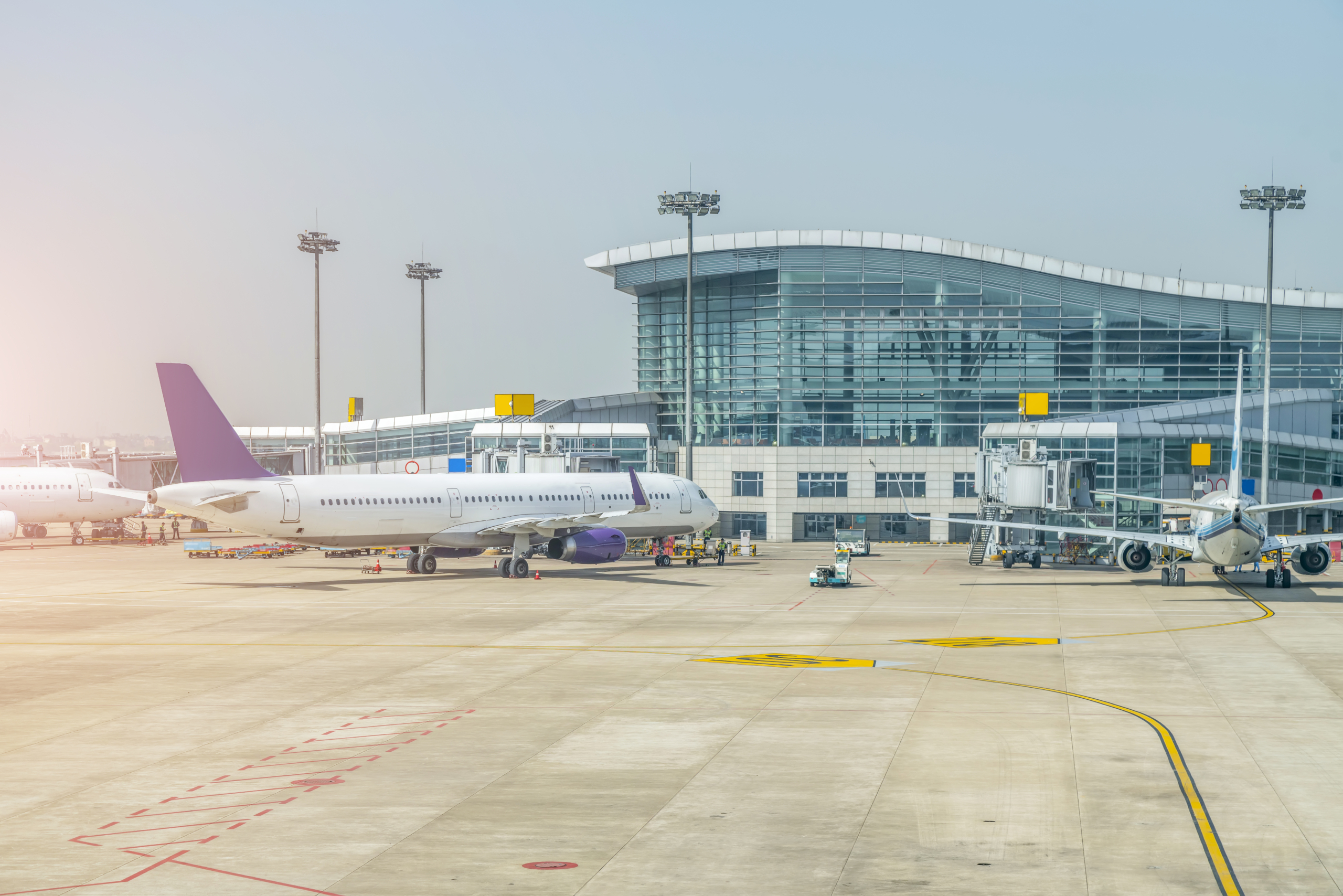
Navi Mumbai International Airport at a glance: what opened in December 2025
NMIA is a greenfield airport built to serve Navi Mumbai and the wider Mumbai Metropolitan Region. In practical terms, it means a brand-new terminal, new airside systems, and room to grow as traffic rises.
Phase 1 is now active with Terminal 1 and one runway in use. The early focus is on domestic flights, with operations scaling up in steps rather than switching on at full volume overnight. For travelers, that translates to a newer facility and, over time, a stronger route map as more flights shift or get added.
The airport is developed and operated by Adani Airport Holdings Limited through the project company, and its public launch has been closely tracked by Indian media. For an overview of the first day of commercial service, see this report from Hindustan Times on NMIA opening for commercial flights.
What does the opening mean if you fly in and out of Mumbai often?
- Airlines get more slots to add flights that were hard to fit into the older airport’s tight schedule.
- Peak-hour pressure should reduce over time, but don’t expect instant relief across the whole system in week one.
- Some flights that once used Mumbai’s main airport will now operate from NMIA, so travelers need to watch airport codes closely when booking.
Opening timeline, Phase 1 status, and what’s next
The rollout has clear milestones:
- October 8, 2025: Phase 1 was inaugurated (official launch event). Adani’s announcement is here: PM Modi inaugurates Navi Mumbai International Airport (Adani media release).
- December 25, 2025: Commercial operations began, with scheduled passenger flights now running.
- By February 2026 (expected): Operations are expected to expand to full 24-hour flying, moving from limited operating windows to a round-the-clock setup.
Phase 1 is the “first working airport,” not the final airport. Later phases add more capacity, more stands, and a second runway, along with expanded international handling as the network builds out. Think of Phase 1 like opening a new train station with fewer platforms at first, then adding the rest once the basics are proven and demand is steady.
Key facts: location, developer, runways, and passenger and cargo capacity
Here are the essentials people search for when they’re comparing airports and planning trips:
- Location: Navi Mumbai, Maharashtra (Mumbai Metropolitan Region).
- Type: Greenfield airport (built from scratch).
- Operator: Adani Airport Holdings Limited (AAHL).
- Terminal in Phase 1: Terminal 1.
- Runways: One operational runway now (about 3,700 meters), two parallel runways planned in later stages.
- Site size: About 1,160 hectares.
- Phase 1 passenger capacity: About 20 million passengers per year.
- Phase 1 cargo capacity: About 0.5 million metric tonnes per year (with facilities built to support growth).
- Long-term targets: About 60 to 65 million passengers in Phase 2, and up to 90 million annually by around 2032 (as additional phases come online).
For a quick reference-style background page, see Navi Mumbai International Airport on Wikipedia (useful for high-level specs, then confirm details with airline and airport updates).

What NMIA changes for travelers: flights, time savings, and the Mumbai multi-airport system
The biggest change is choice. Mumbai’s main airport has long operated under heavy slot pressure, which affects scheduling flexibility. NMIA gives airlines another base in the same metro area, which should support more frequencies and new city pairs over time.
For travelers, the benefits are practical, not magical. You may see:
- Better flight options for parts of Navi Mumbai and nearby business hubs.
- Less dependence on a single airport during disruptions.
- More room for airlines to add flights at popular times, once operations mature.
At the same time, a new airport can bring early-month quirks: minor gate changes, shifting check-in processes, and frequent schedule updates as airlines tune their operations. The smartest move is to treat the first few months like a “soft settling” period and plan with extra buffer.
Early flight network and growth plan: what routes to expect
NMIA began with a modest schedule, reported as up to about 24 daily flights to roughly 13 destinations, then expanded in steps. In the first weeks, airlines often adjust timings and add frequencies as demand becomes clear.
One clear signal of growth is airline intent. Air India’s public plan outlines a ramp-up from initial domestic operations to a larger schedule, and even international flights later. See the airline’s details here: Air India Group operations plan for NMIA.
A simple habit helps during a new-airport rollout: check airline emails and app notifications the day before travel, then again on the morning of departure.
Choosing between NMIA and Mumbai Airport: who should fly where
There’s no one “better” airport for everyone. The right pick depends on your starting point, your airline, and how tight your schedule is.
Use these booking factors:
- Where you’re staying: Navi Mumbai side vs South Mumbai side can change your ground travel plan.
- Airline and terminal: Some carriers may concentrate operations at NMIA, others may stay at CSMIA.
- Time of day: Early morning and late-night travel can change road conditions and access.
- Ground transport options: Your comfort with cabs, buses, and pickup logistics matters.
Quick checklist before you confirm payment:
- Confirm the airport code and name on the ticket (NMIA is not the same as Mumbai’s main airport).
- Add an extra transfer buffer since routes and signage are still new to many drivers.
- Re-check baggage rules if you’re connecting between airports.
- Plan to arrive earlier than usual the first time, so you’re not learning the layout under stress.
Design, tech, and local impact: why this airport is a big deal for Navi Mumbai
NMIA is not only about passenger comfort. It’s also about regional capacity, cargo movement, and the next wave of growth in Navi Mumbai. A second airport can support new hotel demand, stronger business travel patterns, and faster air cargo links for time-sensitive goods.
It also changes how the city feels. Airports pull in roads, services, and jobs, then development follows. For Navi Mumbai, that’s been the long bet, and commercial flights are the point where plans turn into daily routine.
Passenger experience: modern terminal design, Digi Yatra, and sustainability goals
Travelers will notice the basics right away: a newer terminal layout, newer facilities, and clearer wayfinding compared with older, highly constrained terminals.
NMIA also supports Digi Yatra, India’s contactless entry system for enrolled passengers, using facial verification at checkpoints. If you’re registered, it can reduce how often you need to show an ID at each step, though it doesn’t remove standard security rules.
For a perspective on airport tech and passenger-facing features around the inauguration, see: Future Travel Experience on NMIA’s inauguration and passenger-first features.
Economic impact and the challenges that delayed the project
NMIA has been years in the making, and delays were part of the story. Land acquisition and resettlement took time, and large infrastructure projects rarely move in a straight line.
Now that flights have started, the impact becomes measurable: more slots for airlines, more cargo handling headroom, and more support for the Mumbai region’s growth without forcing everything through a single runway system. The opening is less about headlines and more about what happens on ordinary weekdays when thousands of travelers choose NMIA without thinking twice.
Conclusion
Navi Mumbai International Airport is no longer a future promise. Commercial flights began on December 25, 2025, Phase 1 is live with Terminal 1 and one runway, and the airport is set to expand as 2026 approaches. For the Mumbai region, it strengthens the multi-airport system and creates space for more routes and more reliable schedules over time.
Before you book, confirm which airport your ticket uses, plan extra time for your first NMIA trip, and keep an eye on route updates through early 2026 as flight schedules settle into a steady rhythm.
Join The Discussion