
 by
by Best Neighborhoods in Mumbai for Families: Top 5 Picks for 2026
Moving to Mumbai with your family? You’re in good company — the city and surrounding areas remain a major hub for young professionals and growing families seeking career opportunities and a high quality of life. With options across Mumbai, Navi Mumbai, and Thane, choosing the right area affects your children’s schools, daily commute, and overall lifestyle.
Whether you’re relocating from another city or upgrading within the metro, this practical family guide highlights five neighborhoods that balance excellent schools, safety, green spaces, and strong community vibes — the essentials families need to thrive. TL;DR: Powai, Kharghar (Navi Mumbai), Bandra West, Thane West, and Chembur are our top picks.
What Makes a Neighborhood Family-Friendly?
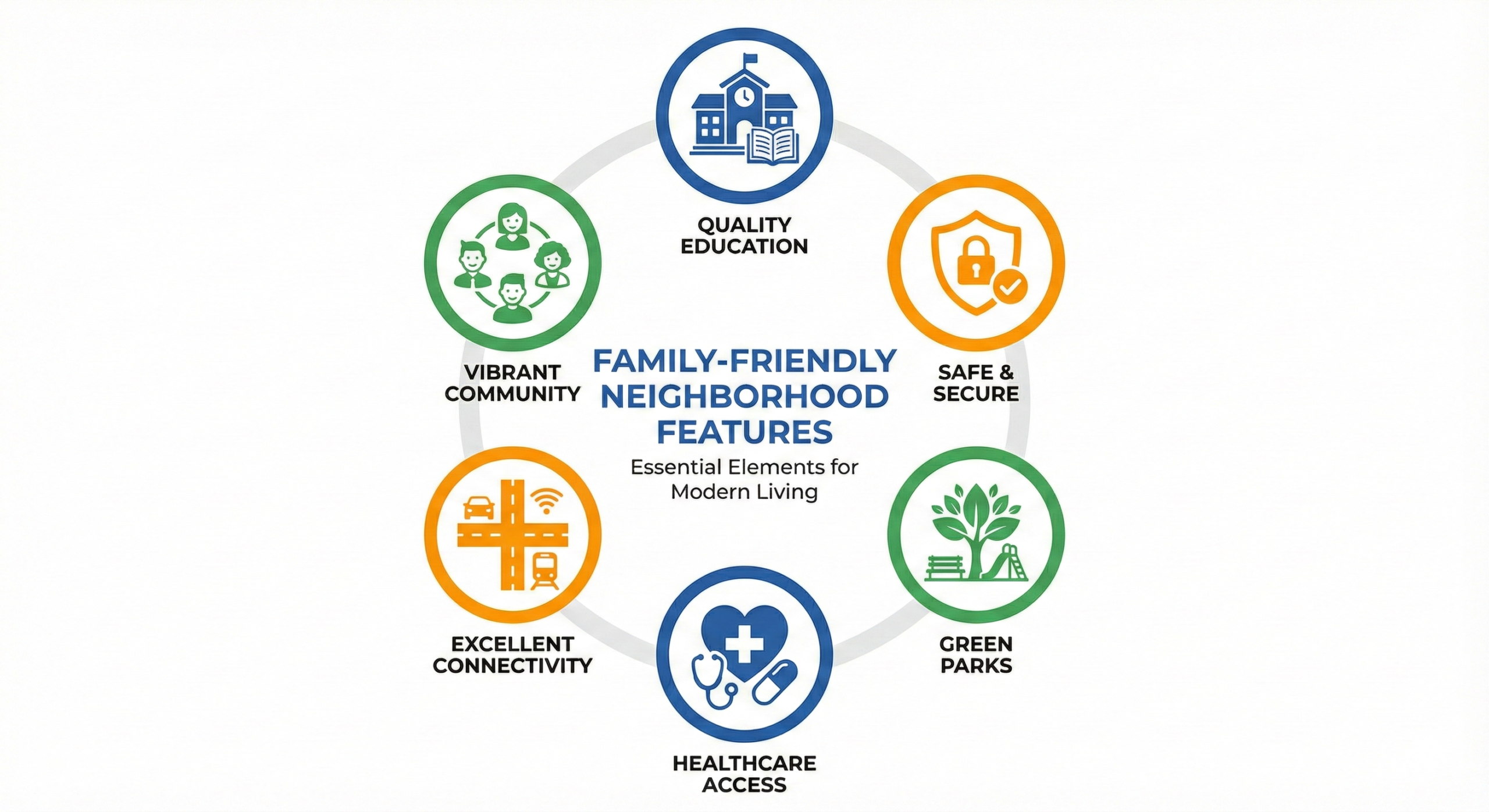
Before we dive into the top picks, here are the concrete factors to evaluate when you’re choosing an area in Mumbai for your family.
Schools & educational institutions: Aim for multiple quality options (CBSE, ICSE, IB, or state boards) within a 3–5 km radius or a 15–30 minute commute. Verify admissions timelines and nearby preschools, daycares, and after-school programs.
Safety & security: Look for gated residential complexes, well-lit streets, visible security staff, and low local crime rates. Neighborhoods with active parent groups or community watch programs are an added plus for peace of mind.
Parks, playgrounds & green spaces: Kids need safe outdoor space — prioritize areas with at least one park or playground within a 10–15 minute walk, and easy access to larger green areas for weekend outings.
Healthcare & services: Check for reputable hospitals, pediatric clinics, and emergency care within 10–20 minutes. Also factor in everyday services like pharmacies, grocery delivery options, and childcare centers.
Connectivity & commute: Consider actual commute times to your workplace (not just distance). A family-friendly area typically offers 30–60 minute commutes to major hubs, good public-transport access, and reasonable road connectivity.
Community & lifestyle: Neighborhood culture matters — family-oriented events, child-friendly cafes, and local parenting groups create the support network many families want. Evaluate weekend vibe, noise levels, and the blend of residential and commercial life.
Next: the five neighborhoods that score highest across these practical criteria.
1. Powai: The Complete Package for Modern Families
Powai has become one of the most sought-after areas in Mumbai for young families because it offers a largely self-contained, planned living experience that simplifies daily life.
Why Families Love It: Powai Lake and the surrounding green spaces create a resort-like backdrop where children can take evening walks, play outdoors, and enjoy weekend picnics close to home. The neighborhood also hosts several top schools and educational institutions — Bombay Scottish School, Hiranandani Foundation School, and JBCN International School — giving parents multiple quality options within a short drive.
Living Experience: Residential complexes in Powai typically include modern amenities such as swimming pools, gyms, playgrounds, and community halls. Hiranandani Gardens is a standout residential complex known for organized layouts, round-the-clock security, and regular community events. For errands and family outings, R-Mall and Galleria are convenient local malls with groceries, dining, and kid-friendly activities.
The Commute Factor: Powai is popular with IT and corporate professionals thanks to its proximity to major tech parks and business hubs. Typical road commutes to nearby tech clusters and commercial centers range from 20–45 minutes depending on traffic; planned Metro Line 2B (check current 2026 status) is expected to boost public-transport access and shorten travel times.
Investment Perspective: Property prices in Powai generally fall between ₹18,000 and ₹35,000 per square foot, reflecting its premium positioning. Pros: excellent schools, green spaces, modern amenities, and strong community life. Cons: higher price point and occasional traffic during peak hours. If you want convenience, quality schools, and comfortable living, Powai is a top contender — consider checking Powai listings and a local map to compare exact commute times and nearby hospitals or pediatric clinics.
2. Kharghar (Navi Mumbai): Space, Greenery, and Value
If you want more living space for your money, Kharghar in Navi Mumbai is worth a close look. This planned suburb gives families breathing room — wider roads, sector-based planning, and larger apartment footprints than most Mumbai neighborhoods.
Why Families Love It: Central Park — one of India’s largest public parks — acts as an outdoor extension of many neighborhoods with walking tracks, cricket grounds, and separate children’s play zones. Kharghar also hosts a mix of reputable schools and educational institutions such as D.Y. Patil International School, Apeejay School, and Pillai College — multiple options that make school runs easier for families.
Living Experience: Expect roomy 2 and 3 BHK apartments that often beat South Mumbai and western suburbs on square footage and value. Typical apartment sizes range from 800–1,400 sq ft for 2–3 BHKs (verify current listings for exact figures). Most residential complexes include landscaped gardens, clubhouses, and dedicated play areas; sector markets provide day-to-day shopping and services close by.
The Commute Factor: Kharghar connects to Mumbai via the Harbour Line and road links; peak travel to South Mumbai can be 60–90 minutes depending on traffic and time of day. Many residents work in nearby nodes like Belapur or Turbhe, cutting commute times — if you need frequent trips to South Mumbai, factor in longer travel or hybrid workdays.
Investment Perspective: Property prices in Kharghar generally range between ₹8,000 and ₹15,000 per square foot, reflecting strong value for families prioritizing space and green spaces. With continued infrastructure upgrades and the Navi Mumbai International Airport development, the area’s accessibility and housing demand may increase. Who this is best for: families looking for affordability, lower-density living, and good parks — especially if you can manage a longer commute to central Mumbai.
3. Bandra West: Urban Convenience Meets Family Culture
If you want the full Mumbai experience without sacrificing a family-friendly lifestyle, Bandra West delivers a unique blend of culture, convenience, and community. This established western suburbs neighborhood pairs tree-lined residential pockets with lively commercial strips, giving families choice in how they live.
Why Families Love It: Bandra’s promenades — Bandstand and Carter Road — offer safe, scenic evening walks and play spaces where children and parents mingle. The area is home to respected schools such as St. Joseph’s High School, Lilavatibai Podar High School, and Dhirubhai Ambani International School, providing strong educational options nearby. Cafes, boutique shops, and child-friendly restaurants support a vibrant lifestyle and social scene.
Living Experience: Housing in Bandra West ranges from charming vintage buildings on Pali Hill to new high-rises with modern amenities like gyms, kids’ play zones, and concierge services. Families often choose Pali Hill and Hill Road for quieter streets and proximity to schools. Expect a lively cultural mix that exposes children to diverse traditions and community events.
The Commute Factor: Bandra’s connectivity is excellent — Western Express Highway access, the Bandra-Worli Sea Link, and frequent suburban train services shorten commutes to business hubs like BKC and Lower Parel. Typical travel times vary by traffic but many commutes to central business districts fall in the 20–45 minute range. The neighborhood’s local opportunities in media, advertising, and creative industries also offer work-from-home or nearby-hub options for parents.
Investment Perspective: Bandra commands premium prices (approx. ₹40,000 to ₹80,000+ per square foot in prime pockets) due to limited supply and strong demand. Pros: excellent schools, unbeatable lifestyle, and top connectivity. Cons: high cost and occasional congestion. Who should choose Bandra: families prioritizing lifestyle, proximity to central hubs, and a lively community — and those who can accommodate a premium price tag. For price-conscious families, consider nearby western suburbs with similar access but lower entry prices.
4. Thane West: The Emerging Family Favorite
Thane West has evolved from being seen as Mumbai’s bedroom community into a self-contained destination that appeals to young families seeking balanced living — affordable housing, solid infrastructure, and family-focused amenities.
Why Families Love It: Thane offers wide roads, organized township planning, and easy access to green spots like Yeoor Hills and Upvan Lake for weekend outings and outdoor activities. Good schools such as DAV Public School, C.P. Goenka International School, and the Hiranandani Foundation School (Thane campus) give families multiple educational institutions to choose from. Viviana Mall and Korum Mall serve as convenient local hubs for shopping, dining, and family entertainment.
Living Experience: Modern residential complexes dominate Thane West, many completed in the last decade with family-centric features — kids’ play areas, fitness centers, and community halls. Ghodbunder Road is a popular corridor for newer projects offering larger apartments and competitive pricing. Sectorized development and nearby markets make day-to-day shopping and services easy for residents.
The Commute Factor: Thane’s connectivity has improved with multiple road links and local trains; upcoming metro lines (check current 2026 status) are expected to further shorten travel times. Many residents also work in nearby employment nodes like Airoli, Ghansoli, or Turbhe, which can significantly reduce commute time compared with trips into central Mumbai. For travel to BKC or Lower Parel, expect variable commute windows depending on time of day — plan visits to gauge typical traffic.
Investment Perspective: Property prices typically range from ₹12,000 to ₹22,000 per square foot, offering a mid-range option between Navi Mumbai and central Mumbai locations. Pros: modern infrastructure, access to malls and parks, and growing community life. Cons: some stretches still face peak-hour congestion. Who this is best for: families seeking newer residential complexes, strong local amenities, and reasonable access to both Mumbai and nearby employment hubs.
5. Chembur: The Underrated Gem for Practical Families
Chembur may not have Bandra’s buzz, but it delivers practical advantages for families who prioritize convenience, value, and central-city access. Its mix of older and newer housing gives families flexibility across budgets while keeping many central Mumbai benefits within reach.
Why Families Love It: Chembur offers easy access to the Eastern Express Highway and harbor-side routes, making trips to BKC, Lower Parel, and South Mumbai reasonable for many parents. The area hosts several reputable schools — Bombay Scottish School, Smt. Sulochanadevi Singhania School, and RBK International Academy — plus parks such as Diamond Garden and a string of smaller playgrounds that provide safe outdoor spaces for kids. Chembur Gymkhana and local sports clubs add options for organized activities.
Living Experience: Expect a blend of older apartment buildings and newer developments, so you can find housing that fits different budgets and lifestyle needs. The neighborhood’s strong Gujarati and Marwari community brings excellent vegetarian dining and traditional festivals that many families enjoy. Local markets like Sindhi Colony and the Sion-Mahim Link Road stretch make daily shopping convenient, and several clinics and hospitals are within a short drive for pediatric care and routine services.
The Commute Factor: In normal traffic, Chembur can provide 30–45 minute commutes to major business districts; the Eastern Freeway has cut travel time to South Mumbai for many routes. Still, allow extra time during peak hours and test your school/office route at rush hour before committing.
Investment Perspective: Property prices typically fall in the ₹18,000 to ₹30,000 per square foot range, offering better central-city value than some western suburbs. Pros: central access, reasonable pricing, solid schools, and practical daily conveniences. Cons: pockets can be busy during peak traffic and some older buildings may lack modern amenities. Who this is best for: families seeking central Mumbai access, reliable schools, good shopping and services, and housing options across price points.
Making Your Decision: What’s Right for Your Family?
Choosing among these best neighborhoods in Mumbai for families comes down to your priorities, budget, and daily needs. Use this compact decision matrix to match what matters most to your household.
Priority: Top schools & planned living → Recommended: Powai
Budget range: ₹18,000–₹35,000/sq ft. Trade-off: premium pricing for convenience, excellent educational institutions, and modern amenities.
Priority: Space, parks & value → Recommended: Kharghar (Navi Mumbai)
Budget range: ₹8,000–₹15,000/sq ft. Trade-off: larger homes and green spaces in exchange for longer commutes to central Mumbai.
Priority: Lifestyle & central access → Recommended: Bandra West
Budget range: ₹40,000–₹80,000+/sq ft. Trade-off: top-tier lifestyle and connectivity at a high price point; consider nearby western suburbs for cheaper options.
Priority: Newer infrastructure & family amenities → Recommended: Thane West
Budget range: ₹12,000–₹22,000/sq ft. Trade-off: modern residential complexes and malls with mid-range pricing; commute times vary by destination.
Priority: Central access & practical value → Recommended: Chembur
Budget range: ₹18,000–₹30,000/sq ft. Trade-off: central-city convenience and good schools with more affordable pricing than premium pockets.
If you’re still undecided: download our one-page comparison (PDF) or use the interactive checklist to weigh options by commute, schools, parks, and budget. These tools help families looking to narrow choices quickly and pick the best neighborhood for their lifestyle and long-term plans.
Practical Tips for Your Mumbai Move
Once you’ve shortlisted neighborhoods, use these practical, actionable steps to make a confident move and avoid common pitfalls.
Visit at multiple times: See each area during morning school runs, weekday rush hour, and weekend evenings. Checklist for visits: noise levels, street lighting, nearest park access, timings for local markets, and typical commute times to work and schools.
Talk to residents — and ask the right questions: Speak with families who have children in the same age group. Suggested script starters: “How long is your school commute on weekdays?” “Any safety or traffic issues during drop-off?” “Which schools or pediatric clinics do you recommend?” Key questions: school quality and admissions, local healthcare access, maintenance/parking pain points, and community events.
Start school research early: Identify schools you prefer and check admission windows, entrance criteria, and waiting-list likelihood. Many families plan housing around school catchment areas — confirm current policies and timeline with each educational institution.
Plan for the next 3–5 years: Consider space needs as children grow (extra room for study or activities) and whether the neighborhood supports teenagers (tutoring centers, sports clubs, safe hangouts). Check if nearby services (childcare, pediatricians, clinics) match your family’s needs.
Factor total costs, not just purchase price: Compare maintenance charges, parking fees, club charges, property taxes, and monthly utilities. A lower upfront price can mean higher recurring costs — get a full cost breakdown from the seller or builder.
Need help? Download our moving checklist (PDF) or request a neighborhood comparison to see side-by-side schools, commute times, and healthcare access for your shortlisted areas. Talking to current residents and verifying school admissions early will save you time and stress.
The Bottom Line on Living in Mumbai with Family
Mumbai and its suburbs offer a wide blend of residential areas and lifestyles, so every family can find a neighborhood that fits their priorities—schools, space, commute, or community life. The five neighborhoods in this guide represent strong, practical choices in 2026 across different budgets and needs.
Across the city and neighboring hubs, there are residential and residential-commercial options that deliver quality living and long-term potential. Whether you value green spaces and larger homes, modern infrastructure, or vibrant urban culture, Mumbai’s market provides choices for families looking to invest in both a home and their children’s future.
If you’d like expert help narrowing the list, our local team can provide neighborhood comparisons, up-to-date listings, and school catchment insights based on your family’s priorities. We’ve helped families navigate Mumbai’s market for over a decade — read a client story: “We found the perfect home near great schools and parks with guidance that saved us months of searching.”
Ready to explore properties in these family-friendly neighborhoods? Contact our team to schedule a personalized consultation,
Join The Discussion